

The journal / Pune
Biophilic Design for Pune Homes: Bringing Nature Indoors
Biophilic home design for Pune — how natural light, plants, ventilation and natural materials can make a new home healthier and more comfortable, with practical notes for local conditions.
Written by H&H SPACES — a Pune-based construction and civil contracting company serving Pune and PCMC.
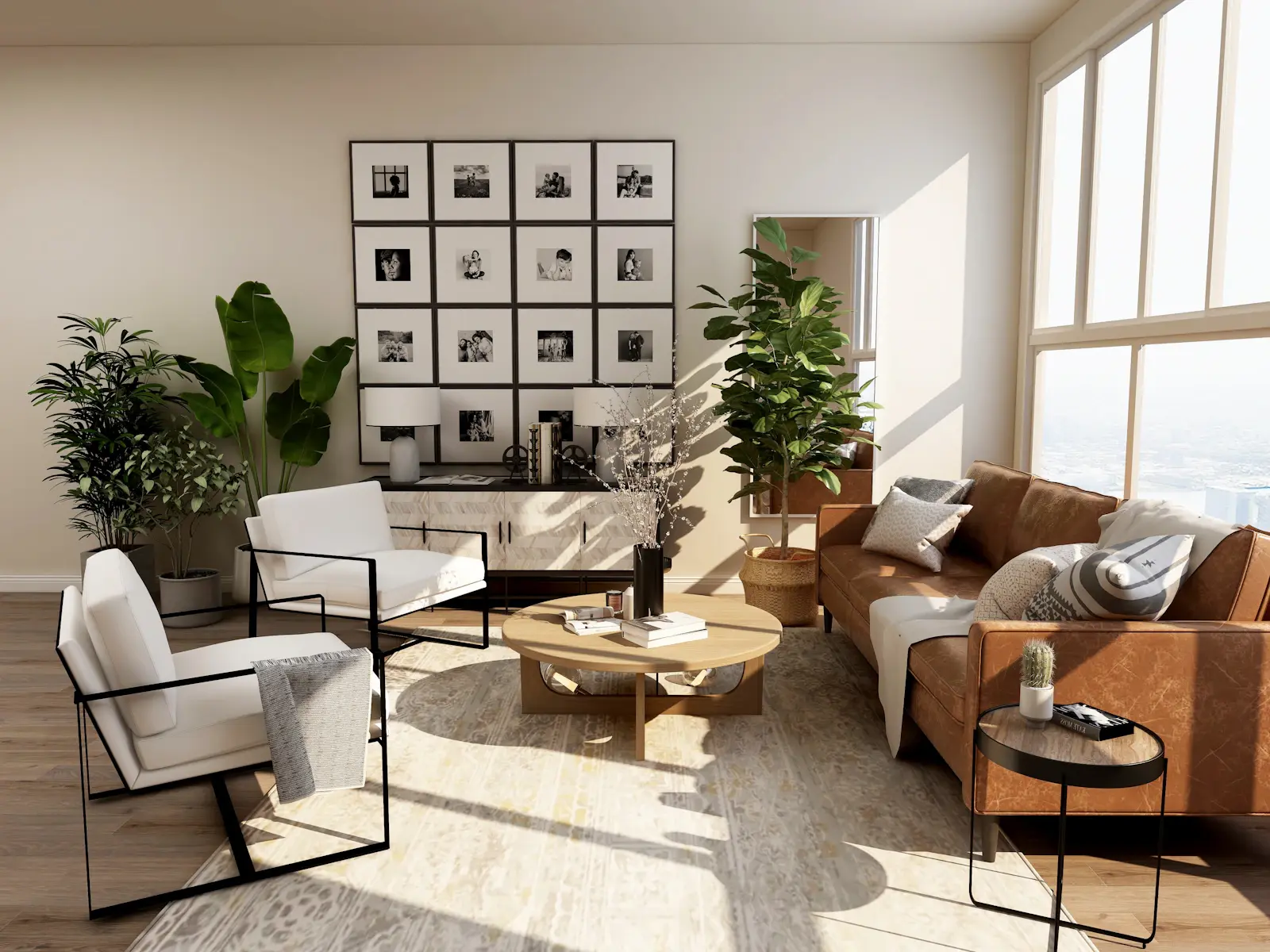 Illustrative image
Last updated: 2026-11-10
What biophilic design actually means
Biophilic home design is the idea that people feel better in spaces that connect them with nature, and it is gaining attention among Pune homeowners who are planning new houses rather than just decorating old ones. The approach is not about filling every room with plants. It is about designing light, air, views, materials and greenery into the home from the start, so the house itself supports the way people live in it. In a city where summers are hot, the monsoon is intense and dust is a fact of life, biophilic design has to be adapted to local conditions rather than copied from a magazine, and that adaptation is where a good plan makes all the difference.
Natural light and ventilation in Pune's climate
Natural light and ventilation are the foundation of biophilic design, and Pune's climate gives a designer plenty to work with. Large windows on the north and east bring in soft light without the harsh heat of the western sun, while cross-ventilation through well-placed openings can keep a home comfortable for much of the year. A courtyard, a light well or a double-height space can pull daylight deep into the plan and let warm air escape upwards, which matters in Pune's summer months. The practical details count: windows need proper shading, such as deep overhangs or jaali screens, so the light comes in without the glare, and mosquito mesh on large openings is essential if the windows are going to stay open in the evenings.
Plants that work indoors in Pune
Indoor plants are the most visible part of biophilic design, and the ones that survive in Pune homes are the ones that suit the local climate and the light available inside. Snake plants, money plants, areca palms and peace lilies are common choices because they tolerate indoor light levels and do not demand constant attention. The placement matters more than the number: a cluster of plants near a bright window, a planter on a staircase landing, or a green wall in the living area all create a stronger effect than single pots scattered randomly. Planters need proper drainage and a waterproof base, especially on upper floors, because water seeping into a slab causes damp patches that are expensive to repair. Plan the planters during construction, with drainage points and waterproofing built in, rather than adding heavy pots to a finished floor.
Natural materials and textures
Natural materials are the quieter half of biophilic design. Exposed brick, stone cladding, timber, cane and lime plaster all bring texture and warmth that painted concrete cannot match, and they age in a way that suits Pune's climate. A stone accent wall, a wooden ceiling in the living room, or a lime-plaster finish in the bedrooms can change how a home feels without changing its layout. These materials also tend to perform well thermally: thick stone and brick walls stay cooler through the afternoon, and lime plaster allows walls to breathe, which helps with the dampness that Pune's monsoon brings. The key is to use natural materials where they will be touched and seen daily, rather than spending on a feature wall that nobody notices.
Water, views and the outdoors
Views and water complete the biophilic picture. A window that frames a tree, a balcony that looks onto a garden, or a small courtyard with a water feature all give the eye somewhere restful to land. In Pune's dense neighbourhoods, a real view is not always available, so designers often create one inside the plot: a small garden court, a vertical green wall on a boundary, or a terrace garden that the living room opens onto. Even a modest water feature, such as a small fountain in a courtyard, adds sound and movement, though it needs a proper waterproofed base and a simple pump that can be maintained. The aim is not grandeur but a daily connection with something living and growing.
What it costs and what it saves
Homeowners often ask whether biophilic design costs more, and the honest answer is that it depends on where the money goes. Large windows, courtyards and quality natural materials can add to the construction cost, but good daylight and ventilation reduce the need for artificial lighting and air conditioning over the life of the home. The savings show up gradually, in lower electricity use and in rooms that stay comfortable without constant cooling. The expensive mistakes are the ones made without a plan: a glass wall facing west that turns a room into an oven, or a terrace garden installed without waterproofing that leaks into the room below. Planned properly, biophilic features are an investment in comfort rather than a luxury add-on.
Building biophilic thinking into a new home
Biophilic design works best when it is part of the architectural plan, not an afterthought added once the house is built. Talk to your architect about window placement, ventilation paths and courtyard options before the plan is finalised, and decide which natural materials fit your budget early so they can be sourced properly. Pune's climate rewards homes that breathe, shade themselves and open to the sky, and a house designed that way feels different from the day you move in. If you are building a home in Pune and would like nature designed into it rather than added later, call H&H SPACES on +91 84840 57448 or message us on WhatsApp at +91 84850 54612 to discuss your plot and your plans.