

The journal / Pune
GST on Home Construction Services: What Homeowners Should Know
GST affects home construction in Pune in different ways depending on the contract and the stage of the build. Learn the basics homeowners should understand.
Written by H&H SPACES — a Pune-based construction and civil contracting company serving Pune and PCMC.
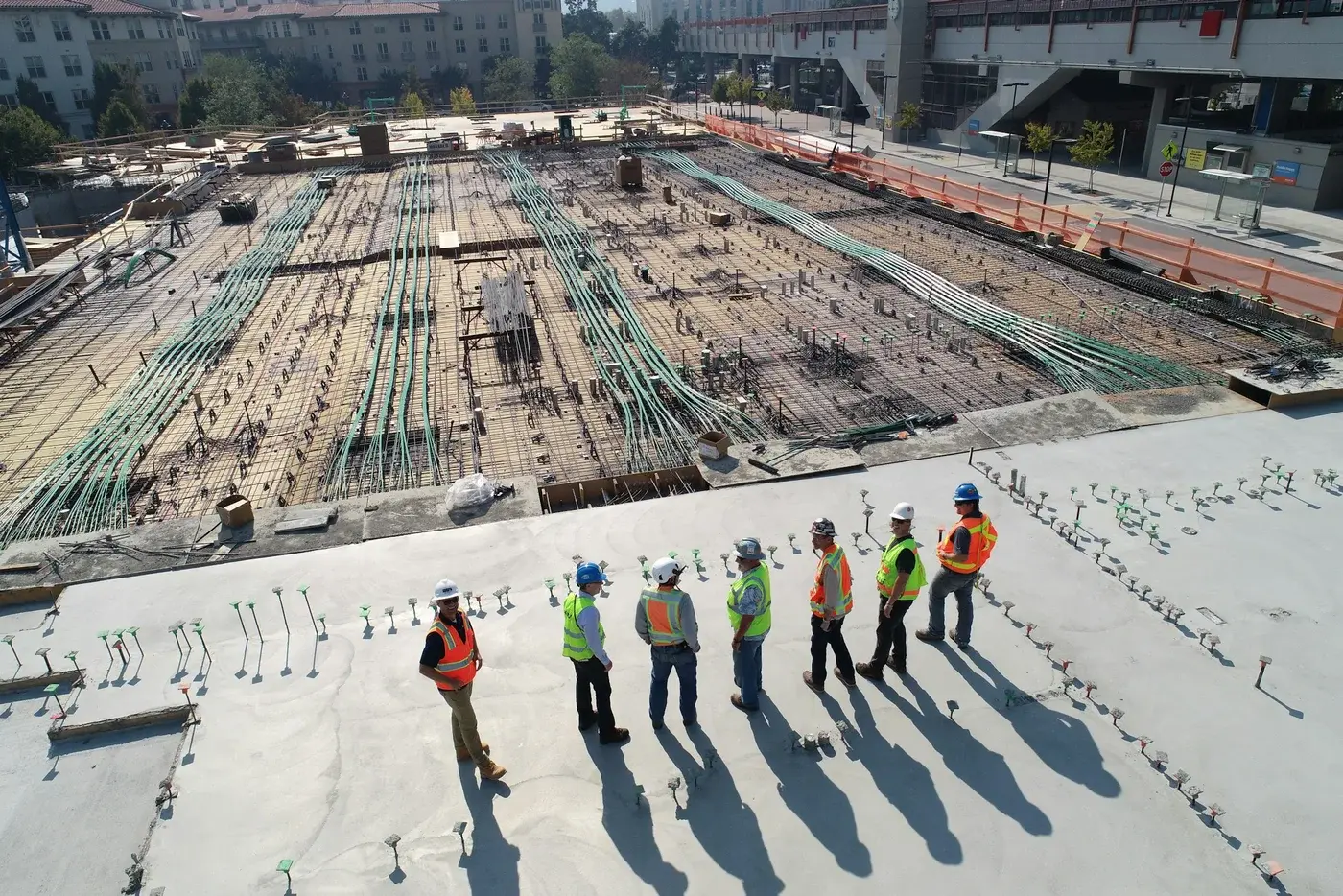 Illustrative image
Last updated: 2026-11-15
Why GST Comes Up in Home Construction
Goods and Services Tax, or GST, is one of the first questions Pune homeowners ask when they receive a contractor's quotation, and it is also one of the most misunderstood parts of a home build. GST is a tax on the supply of goods and services, and home construction involves both: the materials that go into the house and the services of the people who build it. How GST applies depends on the type of contract you have, whether materials are supplied by the contractor or by you, and whether you are building on your own plot or buying a home from a developer. There is no single GST answer for every build, which is why a quotation that simply says GST extra without explaining the basis for it deserves a closer look before you sign.
Works Contracts and How They Are Treated
Most residential construction carried out by a contractor falls under the GST concept of a works contract, which is treated as a supply of services. In a works contract, the contractor supplies both the labour and, usually, the materials, and the whole contract is taxed as a service rather than splitting every bag of cement and every hour of labour into separate taxable supplies. The applicable rate for works contracts has changed over time and can differ depending on the nature of the project, so the rate printed on an old quotation may not be the rate in force today. What matters for a homeowner is to confirm which rate the contractor is applying, whether it matches the current rules for your kind of project, and whether the rate is shown separately in the quotation so you can verify it rather than taking a single combined figure on trust.
GST on Materials Compared With Services
The GST treatment changes noticeably when the homeowner buys materials directly. If you purchase cement, steel, tiles or sanitary fittings yourself, you pay GST on those goods at the rate applicable to each item, and that tax is simply part of the purchase price at the shop. If your contractor buys the same materials, the GST they pay on them becomes part of their cost, and the works contract rate is then applied to the contract value. Neither route is automatically cheaper, because the comparison depends on the rates on the materials, the works contract rate, and how the contractor prices their work. For labour-only contracts, where you supply all the materials and the contractor supplies only labour and supervision, the GST treatment is different again, since the contractor is supplying a service on materials you own. Understanding which model your contract follows is the first step to reading a quotation correctly.
What Happens With a Contractor's Quotation
A clear quotation should show the base cost of the work and the GST separately, with the rate stated and the basis explained. If a contractor quotes a single all-inclusive figure, ask for the break-up before signing, because an all-inclusive figure hides whether the GST has been calculated on the full contract value or on part of it, and whether the contractor is registered for GST at all. A contractor who is not registered cannot charge GST, and a quotation that adds GST without a GST registration number is a red flag worth questioning. It is also worth checking whether the quoted rate will be revised if the GST rate changes during a long build, and who bears that change, because a build that runs for a year or more can easily span a rate revision. Getting these points in writing protects both sides and avoids a dispute at billing time.
Input Tax Credit and Why Homeowners Rarely Benefit
Input tax credit is the mechanism that lets a registered business set off the GST it paid on its purchases against the GST it collects, and homeowners sometimes ask whether they can claim it too. In practice, individual homeowners building a home for their own use cannot claim input tax credit on construction, because the credit is available to registered businesses making taxable supplies, not to an individual consuming the service for personal use. This means the GST on your construction contract is a real cost to you, not a refundable deposit. It also means that comparing contractors purely on their base price without the GST component can be misleading, since the total outgo is what matters to your budget. If a contractor promises that you can recover the GST somehow, ask them to explain the mechanism in writing, and check it with a tax professional before relying on it.
GST on Buying an Under-Construction Home vs a Ready Home
GST also behaves differently depending on whether you build on your own plot or buy from a developer, and this distinction confuses many Pune buyers. When you build on your own plot with your own contractor, GST applies to the construction contract as described above, and there is no GST on the plot purchase itself, though stamp duty and registration apply to the plot. When you buy an under-construction home from a developer, GST generally applies to the purchase, with the treatment depending on the type of project and the stage of construction. When you buy a ready, completed home that has received its occupancy certificate, GST generally does not apply to the sale. Because these rules have changed over the years and carry conditions, confirm the treatment for your specific transaction with a chartered accountant rather than relying on what applied to someone else's purchase.
Keeping Records and Getting Proper Advice
The practical approach for a Pune homeowner is to treat GST as a budgeted cost, not an afterthought, and to get the details in writing before work begins. Ask your contractor for a quotation that separates the base cost and the GST, confirm their GST registration, and agree in the contract how a rate change during the build will be handled. Keep every tax invoice your contractor issues, because these are the records your accountant will need if any question arises later. And for anything beyond the basics, speak to a chartered accountant who understands construction, since GST rules for building work carry enough conditions that general advice can easily miss the point. A well-documented contract keeps the build smooth and the tax position clear. If you are planning a residential build in Pune and want a contractor who quotes transparently, with every cost shown separately, H&H SPACES builds homes across the city. Call us on +91 84840 57448 or message us on WhatsApp at +91 84850 54612 to talk through your project.