

The journal / Pune
How Material Price Fluctuations Affect Your Construction Quotation
Worried about material price rises affecting your project? Learn why prices move, who bears the risk in different contracts, and how to protect your quotation.
Written by H&H SPACES — a Pune-based construction and civil contracting company serving Pune and PCMC.
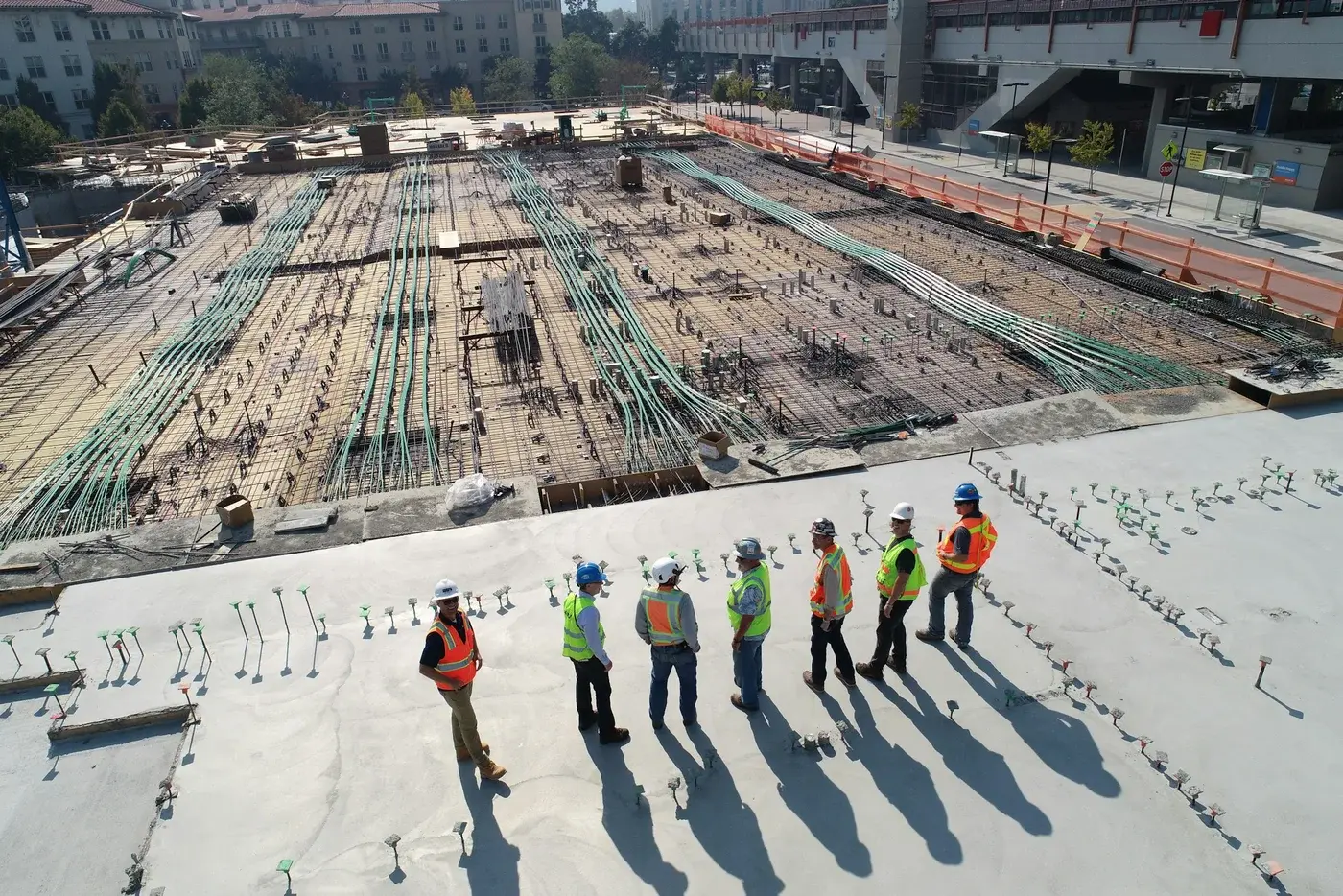 Illustrative image
Last updated: 2026-09-28
A quotation is a snapshot, not a promise
Every construction quotation carries an invisible expiry date, and it has nothing to do with the paper it is printed on. Steel, cement, sand, and aggregate prices move with markets, seasons, and transport conditions, so a quotation is really a snapshot of prices on the day it was prepared. The construction material price rise impact on your project depends on one question most homeowners never think to ask: if prices move between the quotation and the day the material is actually bought, who absorbs the difference? The answer is decided by your contract type and your paperwork, and it is far better to settle it before work starts than to discover it in the middle of slab casting.
Why material prices move during your project
Material prices move for ordinary, predictable reasons. Raw material and fuel costs shift, transport gets expensive or disrupted, and demand rises and falls with the building season. In Pune specifically, sand supply tightens during the monsoon when quarrying and transport slow down, and crushed sand availability varies with crusher operations around the city. None of this is anyone's fault, and none of it is fully predictable months ahead. What is predictable is that over a project lasting the better part of a year, some material will cost more at purchase time than it did at quotation time.
How price rises reach your bill
The impact reaches your bill through the material-heavy stages. Foundation and RCC work consume the largest quantities of cement, steel, sand, and aggregate in the shortest time, so this is where a price swing hurts most. Finishing materials matter too, but they are bought in smaller lots spread over months, and you have more freedom to adjust a tile or fixture choice than to adjust the steel in your columns. This is also why a quotation that was perfectly fair when prepared can still become a source of dispute: the numbers were honest, but the world moved.
Who bears the risk depends on your contract type
Who bears the risk depends on the contract you signed. In a labour-only contract, you buy the materials, so price rises land on you directly, though you also benefit if prices fall. In a labour-plus-material or turnkey contract, the contractor buys everything, so the contractor carries the risk, but remember that a sensible contractor prices that risk into the rate, and an overconfident one may come back asking for a revision mid-project. In an item-rate contract, the outcome depends on what the agreement says about rate revision. There is no universally best option here; there is only the option whose risk allocation you understood and accepted with open eyes.
Price escalation clauses, explained simply
A price escalation clause is simply a written rule for what happens when material prices move. A good one names which materials it covers, usually the big four of cement, steel, sand, and aggregate, states the reference point for measuring the change, and says whether the adjustment is capped. Agree on this in writing before the first excavation. A verbal assurance that the contractor will manage is worth exactly nothing when a truckload of steel costs noticeably more than it did two months ago, because by then both sides remember the conversation differently.
Practical ways to protect your quotation
You can protect yourself with practical steps whatever the contract says. Start construction reasonably soon after accepting a quotation instead of letting it sit for months while prices drift. For major materials, discuss locking bulk purchases early for the structural stage, since that is where exposure is highest. Keep the material brand and specification list inside the contract, so a price rise can never quietly become an excuse to downgrade quality. And for finishing materials, finalize your selections early enough that the contractor can procure at planned rates rather than rushing premium purchases at the last minute.
Watch for these red flags
Finally, watch for the classic red flags. A quotation dramatically lower than every competitor may be counting on buying cheaper materials later rather than on genuine efficiency. A contractor who refuses to fix material brands and specifications in writing is keeping the option to adjust quality when prices move. And any mid-project demand for extra payment that arrives without reference to an agreed escalation rule deserves a calm, documented discussion, not a hurried yes. If you want a quotation for your Pune project that spells out material specifications, validity period, and price-rise handling in plain language, call H&H SPACES on +91 84840 57448 or WhatsApp +91 84850 54612 for a detailed estimate discussion.