

The journal / Pune
Plinth Completion Certificate in Pune: Why It Matters Mid-Construction
Plinth completion certificate in Pune explained: what it certifies, when it is needed during construction, and why homeowners should not skip this mid-build milestone.
Written by H&H SPACES — a Pune-based construction and civil contracting company serving Pune and PCMC.
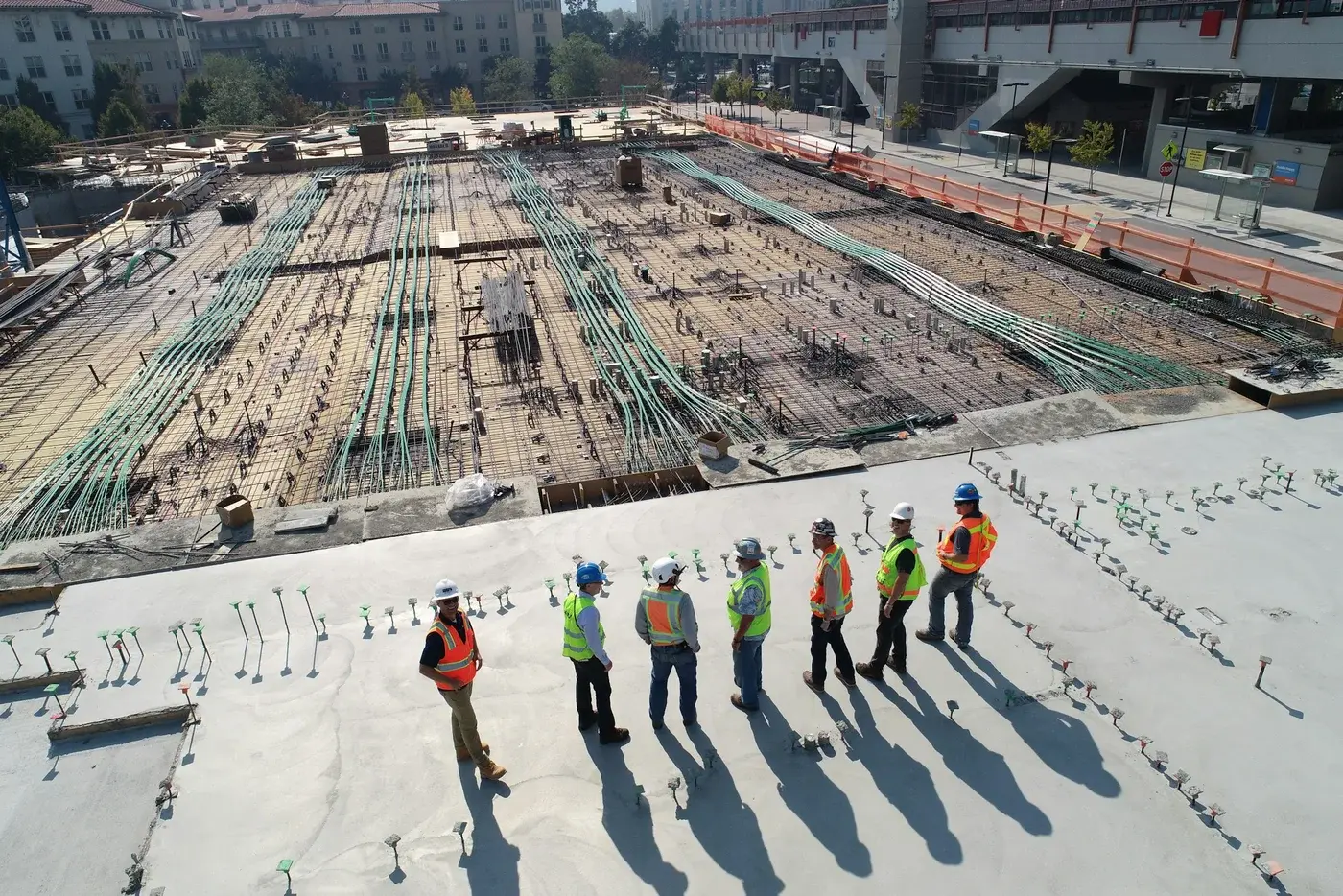 Illustrative image
Last updated: 2026-10-27
What a plinth completion certificate actually is
A plinth completion certificate in Pune is a record that the plinth stage of your home has been completed, and it matters more than many first-time home builders realise. The plinth is the portion of the building between the foundation and the ground floor level: it raises the structure above the surrounding ground, protects it from damp and surface water, and provides the level base on which the rest of the house is built. A certificate for this stage confirms that the work up to that level has been carried out and inspected, and it becomes part of the paper trail that follows the project through to completion. It is a mid-construction milestone, not a final document, but skipping it can create problems that only surface much later.
Where the plinth stage sits in the build
To understand its place in the project, it helps to picture the sequence of a house build. After site preparation and excavation, foundations are laid, and the structure is then brought up to plinth level with masonry, filling, and a plinth beam as designed by the structural engineer. Only after this stage is the ground floor slab and the superstructure above it taken up in earnest. Because everything above rests on this base, errors at plinth level, such as a level that does not match the approved plan or a dimension that has drifted, are far harder and more expensive to correct once walls and slabs are in place. Treating the plinth as a formal checkpoint, rather than a stage to hurry past, is therefore a matter of quality as much as paperwork.
Why authorities and lenders care about it
Authorities and lenders care about this milestone because it gives them a verifiable point at which the construction matches the approved plan. For projects where the building permission process includes stage-wise verification, a plinth certificate shows that the work so far is proceeding as approved, and it supports the later stages of the permission and completion process. For homeowners building with a construction loan, the plinth stage is often one of the progress points against which funds are verified, so a clean record at this stage helps the financial side of the project move smoothly. Even where no outside party asks for it, a homeowner who holds this certificate holds evidence that the early, hidden part of the build was done properly.
What is checked before it is issued
Before such a certificate is issued, the work is typically checked against the approved drawings and the structural design. The checks generally concern whether the plinth level, dimensions, and layout match the plan, whether the materials and workmanship at this stage are as specified, and whether the site is ready for the next stage of construction. The architect, structural engineer, or site supervisor involved in the project usually plays a role in this verification, and the records, drawings, and photographs from this stage become part of the project file. Homeowners do not need to master the technical details, but they should understand that this check is their protection, not a bureaucratic delay, and they should not pressure anyone to sign off work that is not yet ready.
What happens if the stage is skipped or rushed
Skipping or rushing the plinth stage creates risks that are disproportionate to the time saved. If the plinth level is wrong, damp protection, drainage around the house, and the levels of floors, drains, and the approach road can all be affected. If dimensions have drifted from the approved plan, later stages may need correction or may raise questions at completion. If the paperwork is missing, a lender verification or a later permission step can stall while the stage is reconstructed from photographs and memory. All of these are avoidable by pausing at the plinth, completing the checks, and keeping the certificate and the related photographs and drawings safely filed.
How homeowners can keep this milestone clean
For homeowners, keeping this milestone clean comes down to a few simple habits. Ask your contractor and architect at the start of the project which stage-wise records will be maintained and who will verify each stage. Visit the site at plinth level and ask to be shown how the work matches the plan, rather than accepting a verbal assurance. Keep copies of the certificate, the drawings for this stage, and dated photographs of the completed plinth work. And resist the temptation to push the team to start the superstructure before the plinth checks are done, however keen you are to see walls rising. A house is only as sound as its base, and a properly certified plinth is one of the clearest signs that the base has been built right.
Practical next step
Building a home on your own plot in Pune and want each construction stage, from plinth to handover, properly checked and documented? Reach out to H&H SPACES on WhatsApp at +91 84850 54612 to discuss your project.