

The journal / Pune
Rainwater Harvesting for Pune Homes: Systems and Planning
Rainwater harvesting for a Pune house: how rooftop systems work, storage versus recharge, planning during construction, and the maintenance that keeps it effective.
Written by H&H SPACES — a Pune-based construction and civil contracting company serving Pune and PCMC.
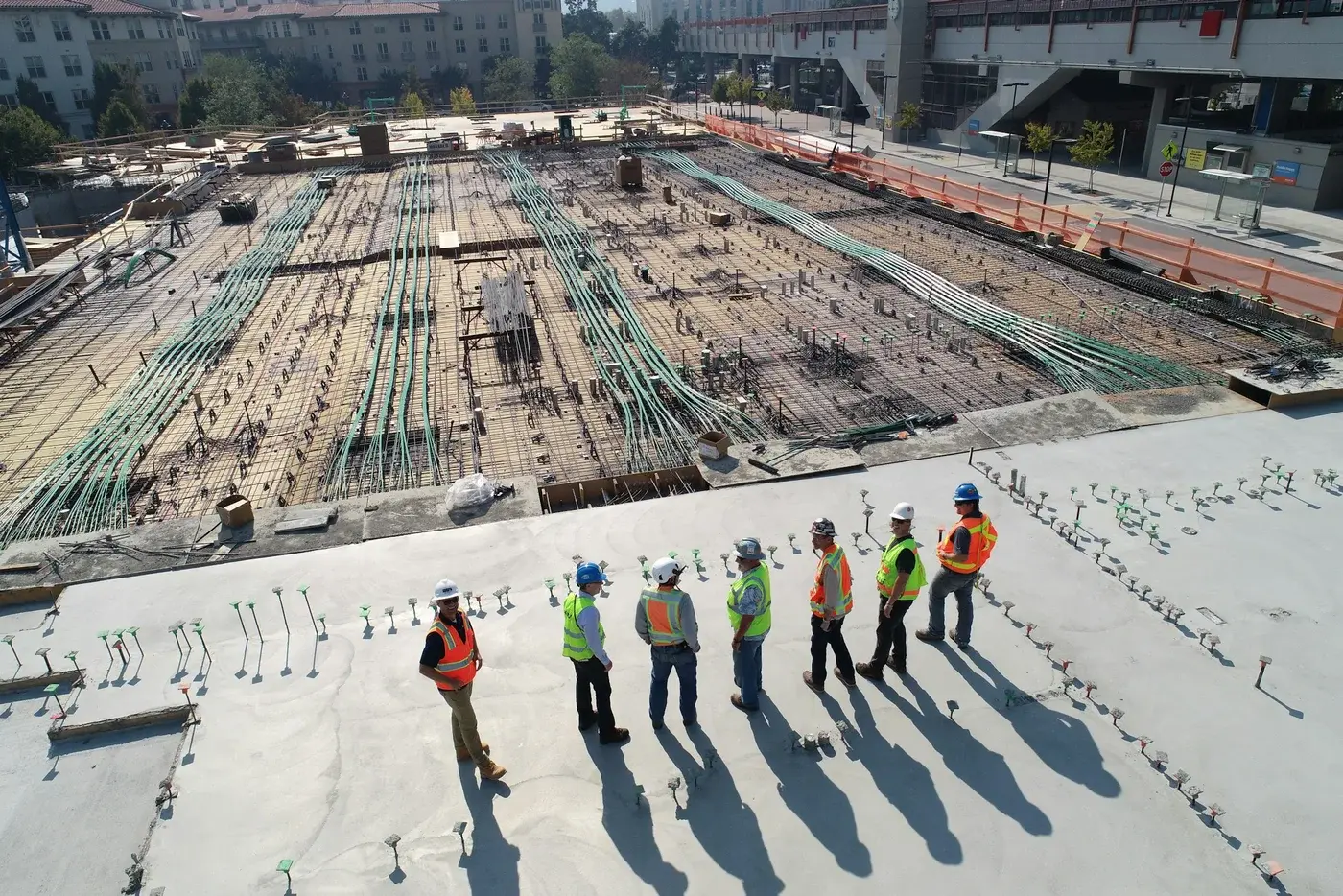 Illustrative image
Last updated: 2026-10-24
Why rainwater harvesting makes sense for a Pune house
Rainwater harvesting for a Pune house is one of the highest-return decisions a new homeowner can make, because the city's rainfall is concentrated in a few monsoon months while household demand runs all year. Every square metre of terrace that drains into a gutter today is water you either capture for your own use or send into the ground to recharge the aquifer your borewell draws from. With groundwater levels under pressure across the region, a home that harvests its own roof runoff is simply better insulated against both dry spells and erratic municipal supply.
How a rooftop rainwater harvesting system actually works
A rooftop system has four stages, and understanding each one helps you ask the right questions. First the catchment: your terrace, kept clean and sloped toward the outlets. Second, conveyance: gutters and downpipes sized for heavy monsoon bursts, with a first-flush diverter that sends the first few minutes of dirty runoff away from the system. Third, filtration: a simple chamber with layers of gravel, coarse sand and mesh that removes silt and debris. Fourth, the destination: either a storage sump for direct household use or a recharge pit that feeds the water table. Each stage is ordinary plumbing and masonry; nothing about the system requires exotic equipment.
Storage or recharge: choosing what fits your plot
Whether to store or recharge depends on your plot and your water situation. Storage suits homes that want a backup supply, since a well-built sump with a first-flush diverter and a filter gives you usable water for months. Recharge suits plots with permeable soil, where a pit filled with graded filter media returns the water to the aquifer and helps the whole locality, including your own borewell. Many Pune homes do both: store what the household can use and recharge the overflow. A simple percolation test during the soil investigation tells you how fast your ground accepts water and settles the choice.
Plan the system during construction, not after
The system is dramatically cheaper and more effective when planned during construction rather than retrofitted. Terrace slopes, downpipe chases, and the filter chamber location should be on the drawings before the slab is cast, because cutting into finished concrete for pipes is expensive and ugly. Decide early where the sump or recharge pit sits so it does not clash with foundations, drainage lines, or future landscaping. Ask your contractor to include the harvesting scope in the main quotation with item-wise rates, so it is built as part of the project instead of becoming a forgotten add-on.
The maintenance that keeps it working
A harvesting system fails silently when nobody maintains it, so build the routine into your home's calendar. Clean the terrace and gutters before the monsoon so leaves and dust do not choke the flow, check the first-flush diverter at the start of each season, and inspect the filter chamber's media and mesh once a year. Cover every opening with a fine mesh to keep mosquitoes out, and never let the recharge pit become a dumping spot for garden waste. Fifteen minutes of attention twice a year is the entire maintenance burden, and it is what separates systems that work for decades from ones that clog in year two.
Permissions and the regulatory picture
Pune's civic authorities have encouraged, and at various times required, rainwater harvesting in new constructions, and the exact rules can change with each revision of the development control regulations. When you apply for building permission, ask the approving authority what the current requirement is for your plot category and get it in writing. Even where it is not mandatory, including the system in your sanctioned drawings makes future compliance painless and signals to any buyer that the home was built thoughtfully. Rules change; a built-in system does not need to.
Practical next step
If you are building a new home and want rainwater harvesting designed into the structure from the foundation stage rather than bolted on later, H&H SPACES can include it in your project scope. We are a construction company in Pune doing civil, residential, commercial and turnkey work. Call us on +91 84840 57448 or WhatsApp +91 84850 54612 and we will plan the harvesting system along with your home, not after it.