

The journal / Pune
Third-Party Quality Audits During Construction: Worth It?
A third party quality audit construction review gives an independent check on your home build. Learn what it covers, when it helps most, and what to ask before appointing one in Pune.
Written by H&H SPACES — a Pune-based construction and civil contracting company serving Pune and PCMC.
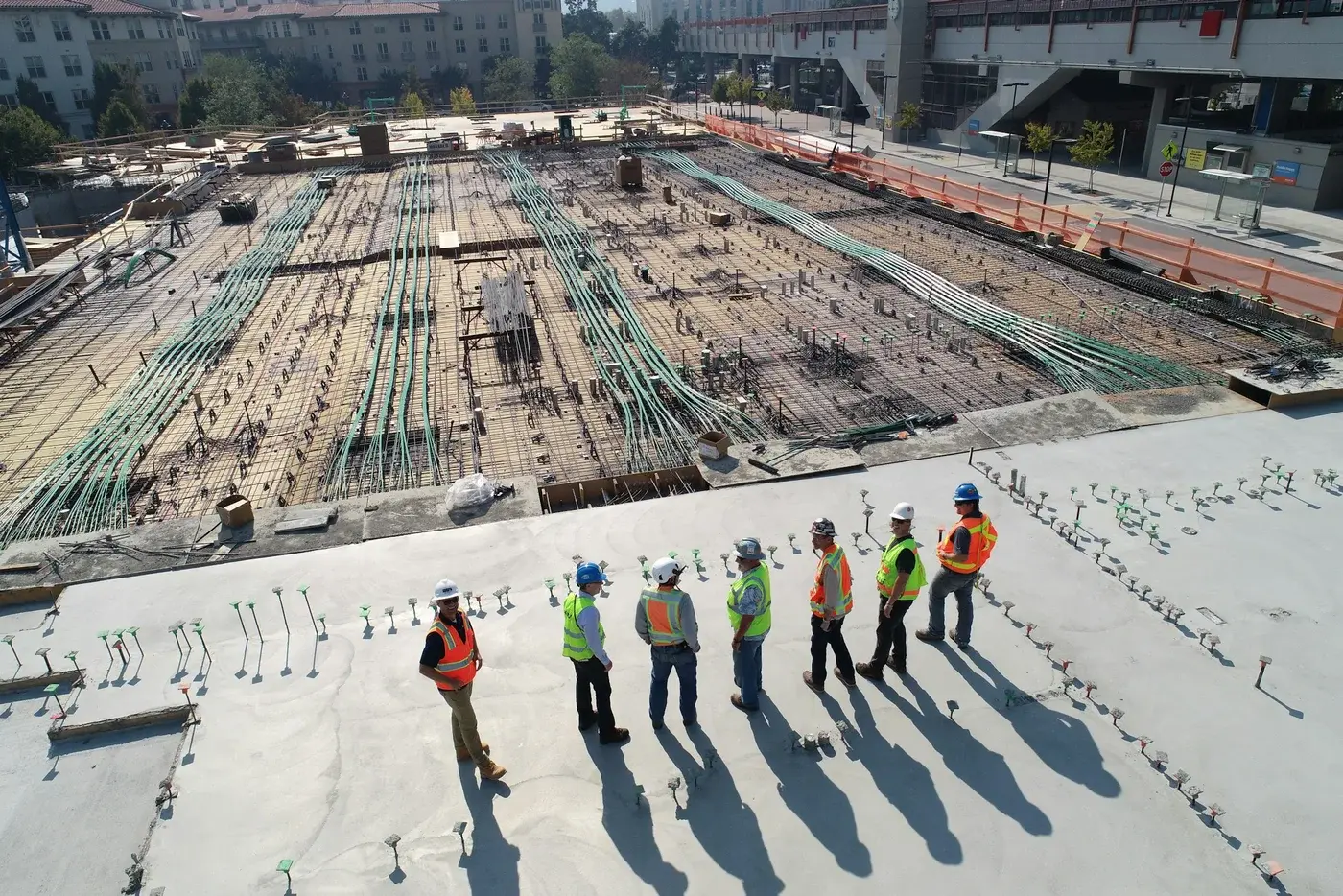 Illustrative image
Last updated: 2026-11-01
What a third-party audit actually covers
A third-party quality audit is an independent review of construction work by someone who is not building the house and not supplying its materials. The auditor typically checks workmanship and materials against the approved drawings, the structural design, and good site practice. On a Pune home this can include reinforcement fixing before concreting, concrete quality and curing, masonry alignment and thickness, waterproofing details, and the finishing stages. The point is not to find fault for its own sake. It is to catch issues while they can still be corrected at reasonable cost, rather than after they are hidden behind plaster, tiles, or paint.
How it differs from your contractor's own checks
Your contractor already has a responsibility to build to specification, and a good site team will run its own checks at each stage. The difference with a third-party audit is independence. The auditor has no stake in keeping the programme moving or in defending work already done, so observations tend to be franker. That independence is most useful at hold points where later work would conceal earlier work, such as reinforcement, waterproofing, and concealed plumbing or electrical lines. Used well, an audit supports the contractor too, because a clean report builds the owner's confidence and reduces disputes at billing and handover.
When an audit adds the most value
An audit adds the most value on larger or more complex builds, on plots with difficult soil or access, and whenever the owner cannot visit the site regularly. It is also worth considering when the design includes features that are easy to get wrong, such as basements, large spans, terraces that need careful waterproofing, or extensive stone and tile work. For a straightforward small home with a trusted contractor and a regularly visiting structural engineer, stage-wise engineer visits may already give enough oversight. The decision should rest on complexity, your own availability, and how much of the work will be concealed before you can inspect it yourself.
What to ask before appointing an auditor
Before appointing an auditor, ask about their background in residential construction, which stages they propose to inspect, and how they will report. A useful engagement names the stages in advance, such as foundation, plinth, slab cycles, masonry, waterproofing, and finishing, and states how quickly you will receive each report. Ask whether they will photograph observations, refer to specific drawings, and distinguish between defects that must be corrected before the next stage and minor snags that can be closed later. Clarify fees, the number of visits included, and what happens if a re-inspection is needed after rectification. Put all of this in writing before work starts.
How audit visits usually work
Audit visits are usually short, planned, and tied to the construction programme rather than random. The auditor should be told in advance when a stage will be ready for inspection, so the visit happens before the next stage covers the work. On site, they will walk the relevant areas, check measurements and levels where applicable, look at material storage and test records, and speak with the site engineer or supervisor. They should not direct labour or change the design on the spot. Their role is to observe, record, and recommend. Any instruction to change the work should still flow through the owner and the design team, so responsibility stays clear.
What an audit report should give you
A good audit report is specific, dated, and illustrated. It should say what was inspected, which drawings or specifications were used as reference, what was found satisfactory, and what needs correction, with photographs and locations noted floor by floor or room by room. Vague remarks such as poor quality, without saying where and why, are hard to act on and harder to close. The report should also record the contractor's response and the agreed rectification, so that a later visit can verify closure. Keep every report with your project file. Together they form a useful record of how the house was built, which can help at handover and during later maintenance.
Limits to keep in mind
An audit is a check, not a guarantee and not a substitute for design responsibility. The structural engineer remains responsible for the structural design, and the contractor remains responsible for execution. An auditor who visits on selected days cannot see every bar, every joint, or every batch of material, so a clean report does not mean every detail is perfect. It means the sampled work at the visited stages met the stated checks. With that understanding, an audit can still be money well spent, because it adds an independent pair of eyes at the moments when correction is cheapest. If you are building a home in Pune and want an independent quality check at key stages, speak with H&H SPACES about how stage-wise audits can fit into your construction plan. You can call +91 84840 57448 or message on WhatsApp at +91 84850 54612 to discuss your project.