

The journal / Pune
Vitrified vs Ceramic Tiles: Which Suits Your Pune Home
Vitrified vs ceramic tiles is a choice every Pune homeowner faces. Compare durability, water absorption, looks and best uses room by room so you pick the right tile for each space.
Written by H&H SPACES — a Pune-based construction and civil contracting company serving Pune and PCMC.
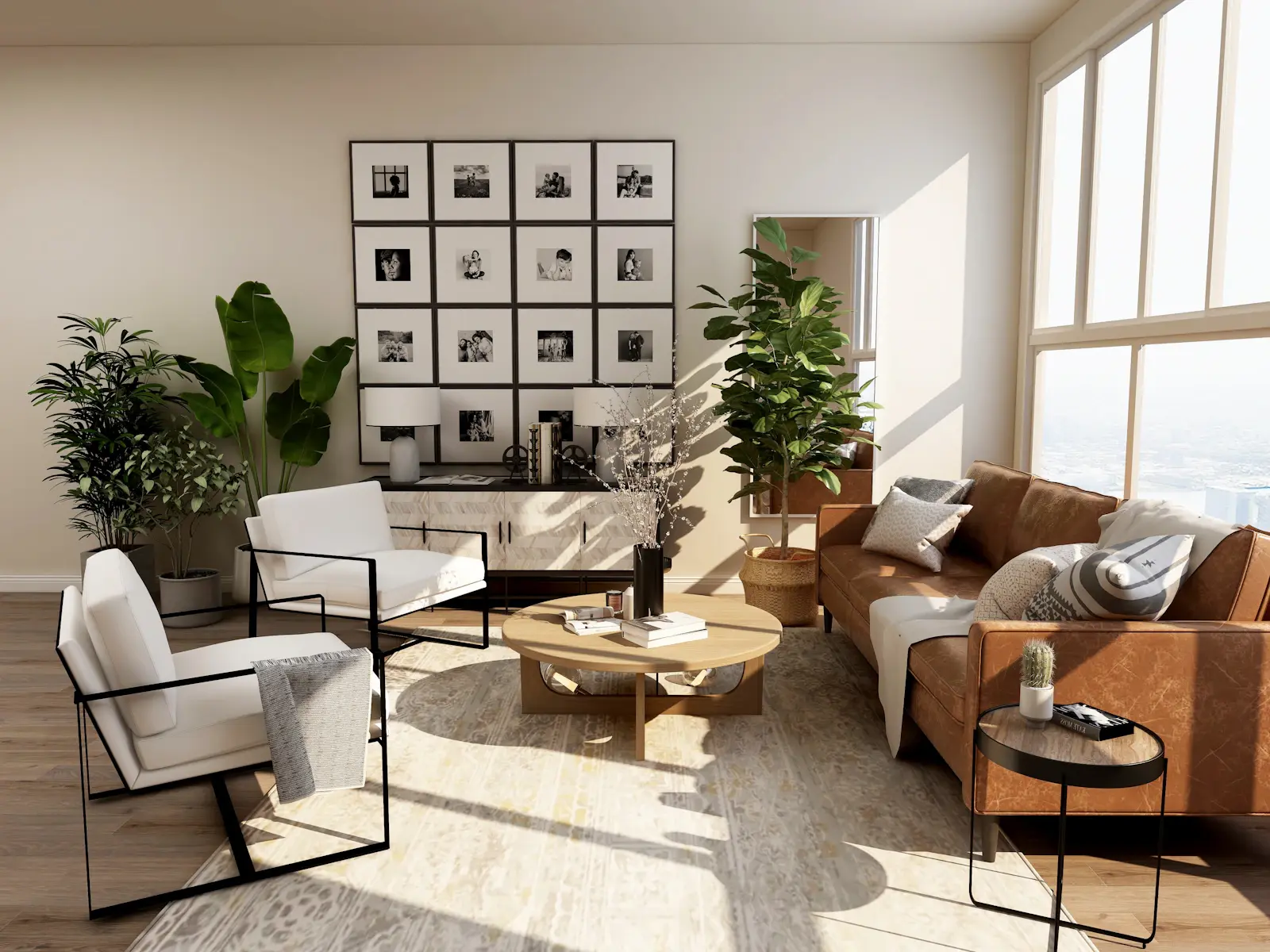 Illustrative image
Last updated: 2026-11-22
How vitrified and ceramic tiles are made
Vitrified vs ceramic tiles is one of the first flooring questions Pune homeowners face, and the answer is less about which tile is better in general than about which tile suits each room. Both are made from clay and fired in a kiln, but the difference lies in the mix and the firing. Ceramic tiles are made from a clay body with a glazed surface, while vitrified tiles are made from a finer mix of clay, feldspar and silica that is fired at higher temperatures until the body itself becomes dense and glass-like. That difference in the body is what drives almost every practical difference between the two, from strength to water absorption to price.
Strength and durability compared
Vitrified tiles are the stronger of the two. Their dense, vitrified body resists chipping, scratching and staining better than a standard ceramic tile, which is why they are the usual choice for living rooms, passages and other high-traffic areas. A dropped steel vessel or a dragged piece of furniture is far more likely to mark a ceramic tile than a vitrified one. Ceramic tiles are not fragile by any means, and a good quality ceramic tile will serve well for many years in a bedroom or a low-traffic space, but they do have a softer body that shows wear sooner in busy areas.
Water absorption and where it matters
Water absorption is the technical difference that matters most in wet areas. Vitrified tiles absorb almost no water, which makes them suitable for bathrooms, balconies and outdoor areas where water is a daily presence. Ceramic tiles absorb more water through their body, which is why they are more often used on walls than on floors in wet rooms, and why a ceramic floor tile in a bathroom needs good grouting and regular attention. In Pune, where monsoon humidity is high and balconies take direct rain, low water absorption also means less risk of damp patches and staining over time. For bathroom floors and balcony floors, vitrified tiles are generally the safer choice, while glazed ceramic tiles work well on bathroom walls where they are easy to clean and available in a wide range of designs.
Looks, sizes and finishes
On looks, both types offer plenty of choice, but they play to different strengths. Vitrified tiles are available in large formats, polished finishes that resemble marble or granite, and wood-look designs that suit modern interiors. Their large sizes mean fewer grout lines and a more seamless floor, which works well in open-plan living areas. Ceramic tiles shine in variety: they come in an enormous range of colours, patterns, textures and handmade looks, including the decorative and patterned tiles that suit kitchen backsplashes, feature walls and traditional designs. If you want a bold patterned floor in a small space or a colourful wall in the kitchen, ceramic is often the easier and more affordable way to get it.
Best rooms for each tile type
A practical way to decide is to assign each tile type to the rooms where its strengths matter most. Living rooms, dining areas, passages and entrance foyers suit vitrified tiles because they take the most traffic and benefit from large formats. Bedrooms can use either, and ceramic tiles are a reasonable choice here if you prefer their warmth or want to manage the budget. Bathrooms suit vitrified tiles on the floor and glazed ceramic tiles on the walls, combining a low-absorption floor with easy-to-clean walls. Kitchens benefit from vitrified flooring for durability and ceramic tiles on the backsplash for design. Balconies and outdoor areas need vitrified or similarly low-absorption tiles that can handle rain and temperature changes. There is no rule that says a whole house must use one type, and mixing them room by room is the most sensible approach.
Maintenance and everyday care
Day-to-day care is straightforward for both, but vitrified tiles are the lower-maintenance option. Their dense surface resists stains from tea, turmeric, oil and other everyday spills, and a regular mop is usually enough to keep them looking new. Polished vitrified tiles can show water marks and footprints more readily than matt finishes, so a matt or satin finish is worth considering in busy family areas. Ceramic tiles need a little more attention in wet areas, where grout lines can stain or develop mildew if they are not cleaned regularly, and a chipped ceramic tile shows its clay body underneath the glaze.
Making the final choice for your home
The final choice comes down to where each tile will live and how your family uses the space. Choose vitrified tiles for high-traffic floors, wet areas and anywhere you want a large-format, low-maintenance finish. Choose ceramic tiles for walls, decorative areas, bedrooms and anywhere you want pattern and colour at a lower cost. Before you buy, check a few sample tiles in your own home under natural light, because showroom lighting can flatter a tile that looks different in your living room. Also confirm the batch and shade before the boxes are opened, since tiles from different batches can vary slightly. H&H SPACES is a construction company in Pune doing civil, residential, commercial and turnkey work, including interior finishing and flooring for new homes. If you are planning your home's flooring and want help choosing the right tiles room by room, call us on +91 84840 57448 or message us on WhatsApp at +91 84850 54612 and we will work through your plan with you.